
The Nepal Himalayas are one of the world’s most breathtaking travel destinations, attracting trekkers, climbers, and adventure seekers from across the globe. Home to Mount Everest and eight of the world’s fourteen highest peaks, Nepal offers dramatic landscapes, ancient cultures, and unforgettable journeys through remote mountain regions. While the Himalayas are awe-inspiring, travelers often ask an important question: Is it safety to travel in the Nepal Himalayas
The answer is yes—travel in the Nepal Himalayas is generally safe, especially when trips are well planned and supported by professional tour operators. Modern trekking infrastructure, experienced guides, improved communication systems, and reliable rescue by helicopter and tours services have significantly increased traveler safety. This article explores the key aspects of safety in the Nepal Himalayas, the role of organized tours, and how helicopter rescue services provide essential emergency support.
Understanding Safety in the Nepal Himalayas
Safety in the Himalayas depends on multiple factors such as preparation, physical fitness, weather awareness, altitude management, and the choice of trekking agency. Nepal has decades of experience hosting international travelers, and its tourism sector has evolved to prioritize safety while preserving the raw adventure of the mountains.
Political and Social Safety
Nepal is widely regarded as a peaceful and tourist-friendly country. Mountain regions are especially calm, with local communities heavily dependent on tourism and deeply respectful toward visitors. Crime rates against tourists are low, particularly along popular trekking routes such as Everest, Annapurna, and Langtang.
Infrastructure and Trail Safety
Major trekking routes are well marked and maintained. Suspension bridges, teahouses, and mountain lodges are regularly used by trekkers throughout the year. In recent years, improved roads and communication networks have enhanced access to many Himalayan regions without compromising their natural beauty.
Importance of Guided Tours in the Himalayas
One of the safest ways to explore the Nepal Himalayas is by joining a guided tour. Licensed trekking companies provide trained guides, porters, proper logistics, and emergency protocols.
Why Choose Organized Tours?
- Experienced Local Guides
Professional guides understand terrain, weather patterns, altitude risks, and local culture. They are trained to recognize early signs of altitude sickness and other health concerns.
- Proper Acclimatization Planning
Tours are designed with gradual altitude gain, rest days, and contingency planning, which significantly reduces health risks.
- Emergency Coordination
Reputable tour operators have direct access to rescue by helicopter and tours services, enabling quick response during emergencies.
- Permits and Regulations
Guides ensure that all trekking permits, conservation fees, and legal requirements are handled properly.
Altitude Awareness and Acclimatization Safety
Altitude is the biggest challenge in the Nepal Himalayas. Trekking above 2,500 meters requires careful acclimatization.
Common Altitude Risks
- Acute Mountain Sickness (AMS)
- High Altitude Pulmonary Edema (HAPE)
- High Altitude Cerebral Edema (HACE)
How Tours Improve Altitude Safety
- Gradual ascent schedules
- Rest and acclimatization days
- Daily health checks
- Immediate descent when symptoms appear
Modern trekking tours place strong emphasis on altitude safety, making Himalayan travel safer than ever before.
Weather and Seasonal Safety
Nepal’s Himalayan weather varies by season, but predictable trekking windows help travelers plan safely.
Best Seasons for Safe Travel
- Spring (March–May): Stable weather, clear views, moderate temperatures
- Autumn (September–November): Best overall conditions, minimal rainfall
Weather Monitoring
Guides receive regular weather updates, and trekking agencies coordinate with meteorological services. This allows early route changes or trip adjustments in case of storms or heavy snowfall.
Rescue by Helicopter and Tours: A Lifesaving Service
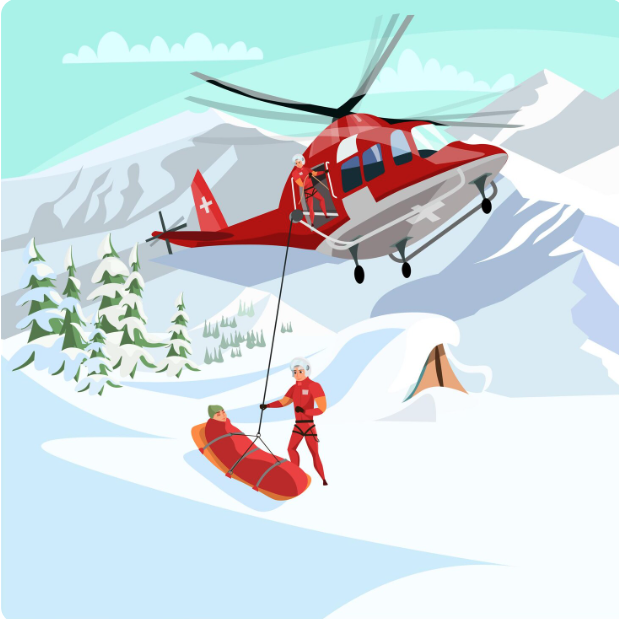
One of the strongest safety advantages of traveling in the Nepal Himalayas today is the availability of rescue by helicopter and tours services. Helicopter rescue has transformed Himalayan travel, ensuring that emergencies are handled quickly and professionally.
When Is Helicopter Rescue Needed?
- Severe altitude sickness
- Injuries from falls or accidents
- Sudden medical emergencies
- Extreme weather isolation
How Helicopter Rescue Works
- Emergency Assessment
The guide or trekking company assesses the situation and contacts the rescue coordination center.
- Insurance Verification
Most rescues are covered by travel insurance that includes high-altitude evacuation.
- Rapid Response
Helicopters can reach remote locations within hours, even at high altitude.
- Evacuation to Medical Facilities
The injured or ill traveler is transported to a hospital in Kathmandu or Pokhara.
Safety Standards of Helicopter Rescue in Nepal
Nepal has developed a strong reputation for reliable high-altitude helicopter operations.
Key Safety Features
- Highly experienced Himalayan pilots
- Specialized high-altitude helicopters
- Strict aviation safety regulations
- Coordination with trekking agencies and hospitals
Helicopter rescues operate only when weather conditions allow safe flying, ensuring the safety of both passengers and crew.
Travel Insurance: A Critical Safety Requirement
While helicopter rescue services are available, travel insurance is essential for Himalayan travel.
What Your Insurance Should Cover
- High-altitude trekking (up to 6,000 meters or more)
- Emergency helicopter evacuation
- Medical treatment and hospitalization
- Trip cancellation or interruption
Most reputable tour companies require proof of insurance before departure.
Health and Medical Safety in the Himalayas
Pre-Trip Health Preparation
- Medical check-up before travel
- Fitness training and cardio preparation
- Vaccinations as recommended
On-Trail Health Safety
- Clean drinking water systems
- Hygienic meals at teahouses
- First-aid kits carried by guides
- Access to medical clinics on popular routes
Medical posts along major trekking routes further enhance safety for travelers.
Solo Travel vs Guided Tours
Although solo trekking is possible on certain routes, guided tours are safer, especially for high-altitude or remote regions.
Benefits of Tours Over Solo Travel
- Reduced risk of getting lost
- Immediate help during emergencies
- Cultural interpretation and local support
- Easier access to helicopter rescue services
For first-time visitors to the Himalayas, guided tours are strongly recommended.
Cultural Safety and Local Support
Nepalese mountain communities are known for their hospitality and honesty. Respect for local culture enhances safety and creates positive travel experiences.
Cultural Safety Tips
- Dress modestly
- Respect religious sites
- Ask before photographing locals
- Follow local customs
Local communities often assist trekkers during emergencies, adding another layer of safety.
Environmental Responsibility and Safety
Eco-friendly trekking practices contribute to long-term safety in the Himalayas.
- Stay on designated trails
- Avoid disturbing wildlife
- Carry reusable water bottles
- Support sustainable tour operators
Responsible travel helps preserve safe trails and resources for future travelers.
Conclusion: Is It Safe to Travel in the Nepal Himalayas?
Yes, safety to travel in the Nepal Himalayas is well established when trips are planned responsibly. With experienced guides, reliable trekking infrastructure, proper acclimatization, and advanced rescue by helicopter and tours services, the Himalayas are safer today than ever before.
Travelers who choose reputable tour operators, secure appropriate insurance, respect altitude limits, and follow professional guidance can explore Nepal’s mountains with confidence. Helicopter rescue services provide vital emergency support, transforming potential risks into manageable situations.
The Nepal Himalayas remain a place of adventure, beauty, and cultural richness—and with modern safety systems in place, they are open to travelers seeking both excitement and security.
