
Planning a Best Time to Visit Tanzania Safari is a dream for many travelers, offering unmatched wildlife encounters, dramatic landscapes, and rich cultural experiences. However, choosing the best time to visit Tanzania for a safari can significantly impact what you see, how you travel, and your overall experience. From the Great Migration to predator sightings and weather patterns, timing is everything.
This guide provides a professional and comprehensive overview to help you decide when to embark on your Tanzanian safari adventure.
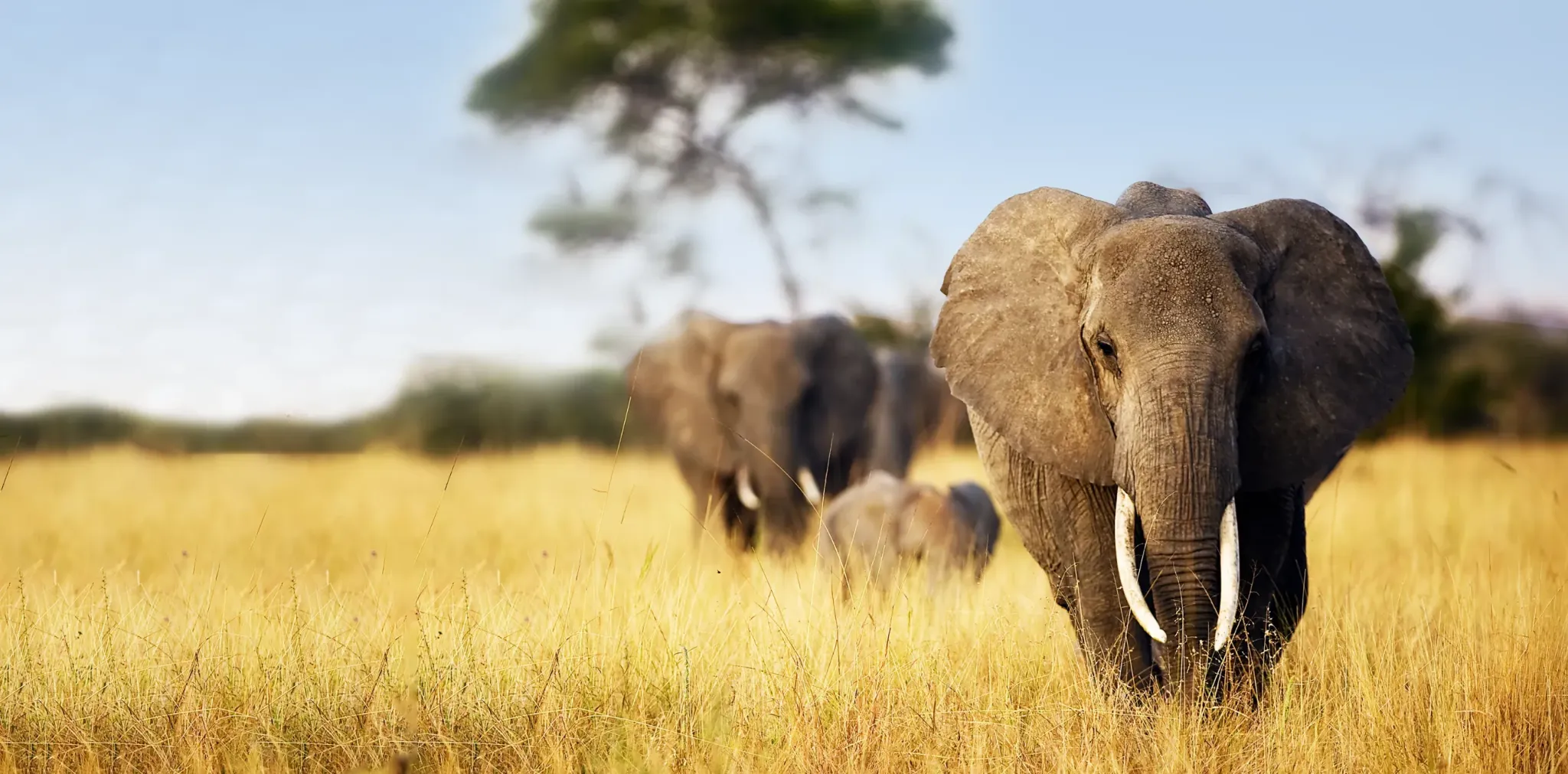
Understanding Tanzania’s Safari Seasons
Tanzania’s climate is generally divided into two main seasons: the dry season and the wet season. Each offers unique advantages depending on your interests.
1. Dry Season (June to October) – Peak Safari Time
The dry season is widely considered the best time to visit Tanzania for a safari, especially for first-time visitors.
Why it’s ideal:
-
Wildlife gathers around water sources, making animals easier to spot.
-
Vegetation is sparse, improving visibility.
-
Lower chances of rain mean better road conditions and easier travel.
Highlights:
-
Exceptional game viewing in Serengeti and Ngorongoro Crater.
-
High chances of spotting predators like lions, cheetahs, and leopards.
-
The Great Migration river crossings (July to September), particularly dramatic and iconic.
Considerations:
-
This is peak tourist season, so prices are higher.
-
Popular parks can be crowded.
2. Wet Season (November to May) – Lush Landscapes & Fewer Crowds
The wet season is divided into two parts: the short rains (November–December) and the long rains (March–May).
Short Rains (November to December)
-
Brief afternoon showers, usually not disruptive.
-
Fewer tourists and lower accommodation rates.
-
Beautiful green scenery and excellent birdwatching opportunities.
Long Rains (March to May)
-
Heavier rainfall can make some roads difficult to navigate.
-
Some lodges may close temporarily.
-
However, this is the most peaceful time with minimal crowds.
Highlights of the wet season:
-
Calving season (January to February) in the southern Serengeti.
-
Thousands of wildebeest calves are born, attracting predators—an incredible wildlife spectacle.
-
Vibrant landscapes ideal for photography.
The Great Migration: Timing Your Visit
One of Tanzania’s most famous attractions is the Great Migration, where millions of wildebeest, zebras, and gazelles move in a continuous cycle across the Serengeti ecosystem.
Best times to witness key migration events:
-
Calving Season (January–February):
-
Location: Southern Serengeti (Ndutu region)
-
Best for: Predator action and newborn wildlife
-
-
River Crossings (July–September):
-
Location: Northern Serengeti (Mara River)
-
Best for: Dramatic crossings and intense survival moments
-
-
Migration Movement (March–June & October–December):
-
Animals are on the move; sightings depend on rainfall patterns.
-
Timing your visit around these phases can greatly enhance your safari experience.
Month-by-Month Breakdown
Here’s a simplified monthly guide to help you plan:
-
January–February: Calving season, excellent predator sightings, warm weather.
-
March–May: Heavy rains, fewer tourists, lush landscapes.
-
June: Start of dry season, improving wildlife visibility.
-
July–October: Peak safari season, best overall wildlife viewing, migration river crossings.
-
November–December: Short rains, fewer crowds, good birdwatching.
Best Time for Specific Safari Interests
Your ideal travel time may depend on what you want to experience:
1. Wildlife Viewing:
June to October offers the most consistent and rewarding sightings.
2. Birdwatching:
November to April is best, with migratory birds and breeding plumage.
3. Photography:
-
Dry season: Clear skies and easier animal spotting
-
Wet season: Dramatic clouds, greenery, and fewer vehicles
4. Budget Travel:
March to May and November are more affordable due to lower demand.
Regional Considerations
Tanzania is vast, and different parks offer varied experiences depending on the time of year.
-
Serengeti National Park: Year-round destination, with migration patterns shifting seasonally.
-
Ngorongoro Crater: Excellent wildlife viewing throughout the year due to its enclosed ecosystem.
-
Tarangire National Park: Best in the dry season when elephants gather in large numbers.
-
Selous (Nyerere National Park): Ideal in the dry season; wet season limits accessibility.
Weather and Comfort Factors
-
Temperature: Generally warm year-round (20°C–30°C / 68°F–86°F).
-
Humidity: Higher during wet season.
-
Dust Levels: Can be high in dry months, which may affect comfort and photography.
Packing appropriately for the season—light clothing, rain gear, or dust protection—can make a big difference.
Pros and Cons Summary
Dry Season Pros:
-
Best wildlife visibility
-
Ideal weather conditions
-
Great Migration river crossings
Dry Season Cons:
-
Higher prices
-
More tourists
Wet Season Pros:
-
Lower costs
-
Beautiful scenery
-
Unique wildlife events like calving
Wet Season Cons:
-
Rain disruptions
-
Limited accessibility in some areas
Final Thoughts
The best time to visit Tanzania for a safari ultimately depends on your priorities. If you want guaranteed wildlife sightings and classic safari conditions, the dry season from June to October is unmatched. However, if you prefer fewer crowds, lush landscapes, and unique wildlife moments like calving season, the wet months can offer a more intimate and equally rewarding experience.
Conclusion & Key Takeaways
Choosing the Best Time to Visit Tanzania Safari can transform a great trip into an extraordinary one. Each season offers something unique, whether it’s the dramatic river crossings of the Great Migration or the serene beauty of the green season.
Key Takeaways:
-
June to October is the best overall time for wildlife viewing and first-time safaris.
-
January to February is perfect for witnessing the calving season and predator activity.
-
July to September offers the most dramatic Great Migration river crossings.
-
November to May provides fewer crowds, lower prices, and lush landscapes.
-
Your ideal timing depends on your priorities: wildlife density, budget, photography, or solitude.
By aligning your travel goals with Tanzania’s seasonal patterns, you can ensure a safari experience that is not only memorable but truly extraordinary.
