
Beginning and ending in Casablanca, Morocco’s bustling economic capital, a Casablanca to Casablanca 10 Days circular journey offers the perfect solution for travelers flying into Hassan II International Airport who want to experience the country’s full diversity without complex logistics. This comprehensive circuit combines the convenience of returning to your starting point with an expertly crafted itinerary that encompasses imperial cities, Sahara Desert adventures, Atlas Mountain crossings, coastal landscapes, and cultural immersion. The loop format eliminates the need for expensive one-way flights or lengthy backtracking, while delivering an authentic Moroccan experience that reveals the nation’s extraordinary contrasts and timeless appeal.
Day 1: Casablanca Arrival and Exploration
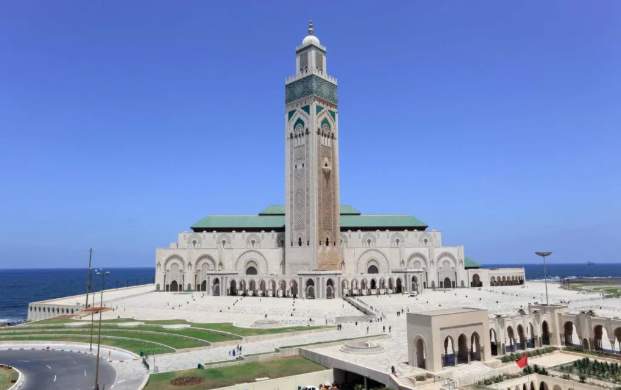
The journey begins in Casablanca, Morocco’s largest city and economic powerhouse. While often dismissed as merely a transit point, Casablanca rewards exploration with remarkable contrasts between colonial-era architecture, modern developments, and traditional medinas. The Hassan II Mosque dominates the waterfront, one of the world’s largest mosques, featuring a minaret rising 210 meters and accommodating 25,000 worshippers inside with additional space for 80,000 in exterior courtyards.
The mosque represents exceptional architectural achievement with intricate zellige tilework, carved cedar ceilings, and marble floors sourced from across Morocco. As one of few Moroccan mosques permitting non-Muslim entry through guided tours, it provides rare opportunities to appreciate Islamic architectural splendor firsthand. The location directly on Atlantic shores creates dramatic settings where waves crash against the building’s foundation during high tides.
Casablanca’s Corniche offers pleasant waterfront promenades lined with cafés, restaurants, and beach clubs where locals and visitors mingle. The Art Deco architecture throughout downtown districts reflects French colonial influence, with buildings showcasing elegant facades, geometric patterns, and distinctive styling that earned Casablanca recognition as having Africa’s richest Art Deco heritage.
Evening exploration of Rick’s Café, a recreation of the legendary establishment from the film “Casablanca” provides atmospheric dining despite no connection to the actual movie, which was filmed entirely in Hollywood. The establishment’s attention to period detail creates nostalgic ambiance celebrating cinema history while serving excellent Moroccan and international cuisine.
Days 2-3: Rabat, Meknes, and Fes
Day two advances toward Rabat, Morocco’s political capital and fourth imperial city. This relatively modern capital contrasts with medieval imperial cities through planned layouts, wide boulevards, and contemporary government buildings. The Hassan Tower and Mausoleum of Mohammed V showcase Almohad architecture and modern royal commemoration. The Kasbah of the Udayas, perched on cliffs overlooking the Atlantic and Bou Regreg River, features blue-and-white painted streets creating photogenic scenes reminiscent of Chefchaouen.
Continuing to Meknes reveals another imperial city often overshadowed by Fes yet possessing remarkable monuments. Sultan Moulay Ismail’s 17th-century capital features the magnificent Bab Mansour gate, arguably Morocco’s most beautiful entrance, with intricate tilework and imposing scale. The Royal Stables, designed to house 12,000 horses, demonstrate the sultan’s grandiose ambitions.
Nearby Volubilis preserves Morocco’s finest Roman ruins. This UNESCO World Heritage Site flourished from the 3rd century BCE, controlling regional grain production. Exceptionally preserved mosaic floors depict mythological scenes, daily activities, and decorative patterns with artistic sophistication. Standing among columns and triumphal arches connects visitors tangibly with North Africa’s classical heritage.
Arrival in Fes during late afternoon provides evening orientation before comprehensive exploration begins on day three. Fes el-Bali, the ancient medina, ranks among the world’s largest car-free urban areas and most complete medieval Islamic cities. The labyrinthine passages over 9,000 alleyways creating three-dimensional mazes transport visitors to medieval times where artisans maintain centuries-old craft traditions.
The iconic Chouara Tannery showcases leather processing using methods unchanged since medieval periods. Workers treat hides in massive stone vats using natural materials including pigeon droppings and vegetable dyes, creating scenes that define Moroccan imagery. Al-Qarawiyyin University, founded in 859 CE, represents the world’s oldest continuously operating educational institution, embodying Fes’s intellectual legacy.
Days 4-5: Through the Atlas to the Sahara
Departing Fes, the route traverses the Middle Atlas through cedar forests where Barbary macaques inhabit their natural environment. These charismatic primates Morocco’s only indigenous monkey species provide delightful encounters, though feeding them remains discouraged to prevent behavioral changes and dependency.
The journey continues through Midelt, positioned between Middle and High Atlas ranges, before crossing increasingly arid terrain toward Merzouga and the magnificent Erg Chebbi dunes. The dramatic landscape transitions reveal Morocco’s compressed geographical diversity from alpine forests through rocky plateaus to golden sand seas.
Arrival at the Sahara’s edge during late afternoon allows camel treks into dune systems for sunset experiences. The rhythmic swaying atop these desert ships, combined with spectacular light transforming sand through constantly evolving colors, creates moments of profound beauty. Overnight stays at traditional Berber camps feature tagine dinners, music performances around campfires, and stargazing under skies revealing celestial displays impossible near urban light pollution.
Day five permits full Sahara immersion with pre-dawn excursions witnessing desert sunrise darkness yielding to light through subtle color progressions. Additional activities include sandboarding down steep dune faces, four-wheel-drive expeditions to nomadic settlements, and visits to Khamlia village where Gnawa musicians perform hypnotic traditional music blending African rhythms with Berber influences.
Days 6-7: Todra Gorge, Dades Valley, and Ouarzazate
Departing the desert, the route navigates through Todra Gorge one of Morocco’s most spectacular canyons where limestone cliffs soar 300 meters while separated by merely 10 meters at the narrowest points. This natural cathedral creates unique microclimates where temperatures remain moderate even during scorching summer months.
Dades Valley presents equally dramatic geological formations nicknamed “monkey fingers” for distinctive shapes created through millennia of erosion. The Valley of Roses explodes with pink Persian blossoms during April and May, when locals harvest flowers for processing into rose water and essential oils exported worldwide.
Ouarzazate, often called Morocco’s Hollywood, serves as a base for exploring spectacular kasbahs including Taourirt and the privately-owned Kasbah Aït Benhaddou. The latter, a UNESCO World Heritage Site, showcases traditional pisé architecture cascading down hillsides in harmonious geometric patterns. This remarkably preserved fortified village has served as backdrop for numerous films including “Gladiator” and “Game of Thrones,” though its authentic historical significance far exceeds cinematic fame.
Days 8-9: Marrakech – The Red City
The journey crosses the High Atlas via Tizi n’Tichka Pass, Morocco’s highest road reaching 2,260 meters elevation. This engineering marvel reveals dramatic mountain scenery where Berber villages perch impossibly on steep slopes. Descending toward Marrakech, the landscape transitions from alpine environments to arid plains surrounding Morocco’s most famous tourist destination.
Two full days in Marrakech permit comprehensive exploration of this vibrant imperial city. The Jemaa el-Fnaa square serves as the city’s beating heart by day hosting orange juice vendors, snake charmers, and henna artists; by night transforming into an open-air restaurant where food stalls serve traditional dishes amid storytellers, musicians, and entertainers creating sensory overload.
The Koutoubia Mosque’s minaret dominates Marrakech’s skyline, serving as the city’s most recognizable landmark. The Bahia Palace showcases exquisite 19th-century architecture with intricate tilework, painted cedar ceilings, and tranquil courtyards demonstrating wealthy residential design. The Saadian Tombs, rediscovered in 1917, contain ornate mausoleums housing sultans and their families with exceptional decorative artistry.
The souks north of Jemaa el-Fnaa create labyrinthine marketplaces where specialized quarters sell everything from spices and textiles to metalwork and leather goods. Navigating these passages reveals traditional commerce largely unchanged for centuries, though modern products increasingly mingle with authentic handicrafts.
The Majorelle Garden offers peaceful refuge from media chaos. Created by French painter Jacques Majorelle and later owned by Yves Saint Laurent, this botanical sanctuary features distinctive cobalt blue buildings, exotic plants from five continents, and tranquil pools creating photogenic compositions.
Day 10: Return to Casablanca
The final day involves the straightforward three-hour drive from Marrakech back to Casablanca, completing the circuit. Depending on departure flight timing, opportunities exist for final shopping, additional Hassan II Mosque visits, or exploring areas missed during initial arrival. The coastal drive offers pleasant scenery where Atlantic waves crash against rocky shores.
The circular route’s completion provides satisfying closure returning to familiar starting points after experiencing Morocco’s extraordinary diversity creates perspective on distances traveled and experiences accumulated. This format also allows travelers to store unnecessary luggage at Casablanca hotels during the circuit, traveling lighter throughout the journey.
Practical Considerations for Circuit Success
The circular itinerary offers significant logistical advantages. Round-trip flights to Casablanca typically cost less than one-way or multi-city options. Vehicle rental or tour arrangements become simpler when beginning and ending at the same location. Travelers can safely store excess luggage, purchasing souvenirs throughout the journey without carrying them constantly.
Packing requires accommodation for diverse environments desert heat and mountain cold, formal clothing for upscale Casablanca establishments and casual wear for medina exploration. Layered clothing, sun protection, comfortable walking shoes, and modest attire for religious sites prove essential.
The ten-day duration provides excellent pacing neither rushed like shorter tours nor excessive for first-time visitors. Daily drives average 4-6 hours with multiple stops, allowing scenery appreciation without exhausting travel schedules. Rest days in Fes and Marrakech permit deeper exploration without constant movement.
Cultural Immersion and Authentic Engagement
This comprehensive circuit enables genuine cultural encounters beyond superficial tourism. Extended time in imperial cities allows artisan workshop visits where craftsmen demonstrate traditional techniques passed through generations. Cooking classes teach tagine preparation, bread baking, and mint tea ceremony protocols.
Interaction with diverse populations Berber mountain communities, desert nomads, urban sophisticates, coastal fishing families reveals Morocco’s cultural complexity. Learning basic Arabic phrases demonstrates respect and typically elicits warm responses. Understanding photography etiquette, particularly regarding people, prevents uncomfortable situations while enabling memorable portraits when permission is granted.
Conclusion
The Casablanca to Casablanca 10 Days circuit represents ideal Moroccan exploration for travelers seeking comprehensive experiences without logistical complications. This carefully crafted route encompasses imperial cities preserving architectural masterpieces, Sahara Desert adventures delivering once-in-a-lifetime experiences, Atlas Mountain crossings revealing dramatic landscapes, and coastal regions where Mediterranean and Atlantic influences converge. The circular format provides practical advantages while ensuring no backtracking wastes precious vacation time. Travelers completing this grand circuit depart with deep appreciation for Morocco’s geographical diversity, cultural richness, and the warm hospitality that transforms visits into unforgettable journeys.
Frequently Asked Questions
Q: Why choose a circular tour starting and ending in Casablanca? A: Circular routes offer significant advantages including lower airfare costs for round-trip flights, simplified logistics without expensive repositioning, and the convenience of storing unnecessary luggage at your starting point while traveling lighter throughout Morocco.
Q: Is ten days sufficient to experience Morocco properly? A: Yes, ten days provides an excellent balance between comprehensive coverage and comfortable pacing. This duration allows visiting four imperial cities, full Sahara immersion, mountain crossings, and cultural experiences without the exhaustion of overly rushed schedules.
Q: What is the best time of year for this circuit? A: Spring (March-May) and autumn (September-November) offer ideal conditions with moderate temperatures throughout the circuit. Summer brings extreme desert heat, while winter requires cold-weather gear for mountains and desert nights but features fewer crowds and lower prices.
Q: How challenging is the daily travel involved? A: Daily drives typically range 4-6 hours with scenic stops, photo opportunities, and meal breaks. Modern highways connect major cities, though mountain sections feature winding roads. Comfortable vehicles and experienced drivers make journeys enjoyable rather than exhausting.
Q: Can this itinerary be customized for specific interests? A: Absolutely. Reputable tour operators customize circuits based on interests adding trekking in the Atlas Mountains, extending Sahara time, including coastal destinations like Essaouira, or focusing more extensively on specific imperial cities based on individual preferences and travel styles.
